

What is a wool?
A wool (short for woolyback) is Liverpool slang for someone from the towns around the city but not the city itself, places like St Helens, Widnes, Runcorn, Wigan or the Wirral. It lands somewhere between an insult and a label, but it always draws the same line: you’re not a proper Scouser. Said one way it’s a dig; said another it’s almost affectionate, and plenty of people from those towns will happily call themselves one.
I was talking with an Essex lad not too long ago, he brought up the topic of “wools” and how we’re all so serious about it (I mean we’re not, but he’s from Essex) – we even went into that old abstract topic of “what is a Scouser”… I mean, if you’re not from Liverpool it’s easy. Anyone from Merseyside is a Scouser. A Wirral co-worker of mine was dubbed “The Scouser” in uni much to his chagrin since he’s from West Kirby.
It got me thinking. Obviously Wirral’s not Scouse, nor St Helens, nor Ormskirk… Southport definitely isn’t. But how about Bootle? Halewood?
Who counts as a wool? (nobody agrees)
If you stood on Bold St. and asked people passing through who’s scouse and who’s a wool, you’d get a lot of “I don’t know”, “Purple bins”, and that one lad insisting it’s just past their own front door. One of my friends says you’re a wool if it takes you more than 15 minutes to drive out of town at 3am. If you ever want to start a pub-war, just ask the guy sitting next to you where Liverpool ends and wool country begins.
The term also stretches to cover the “plazzy,” or plastic Scouser, someone laying on an accent they weren’t born with, considered a far graver offence than simply being from Widnes.
Where does ‘woolyback’ come from?
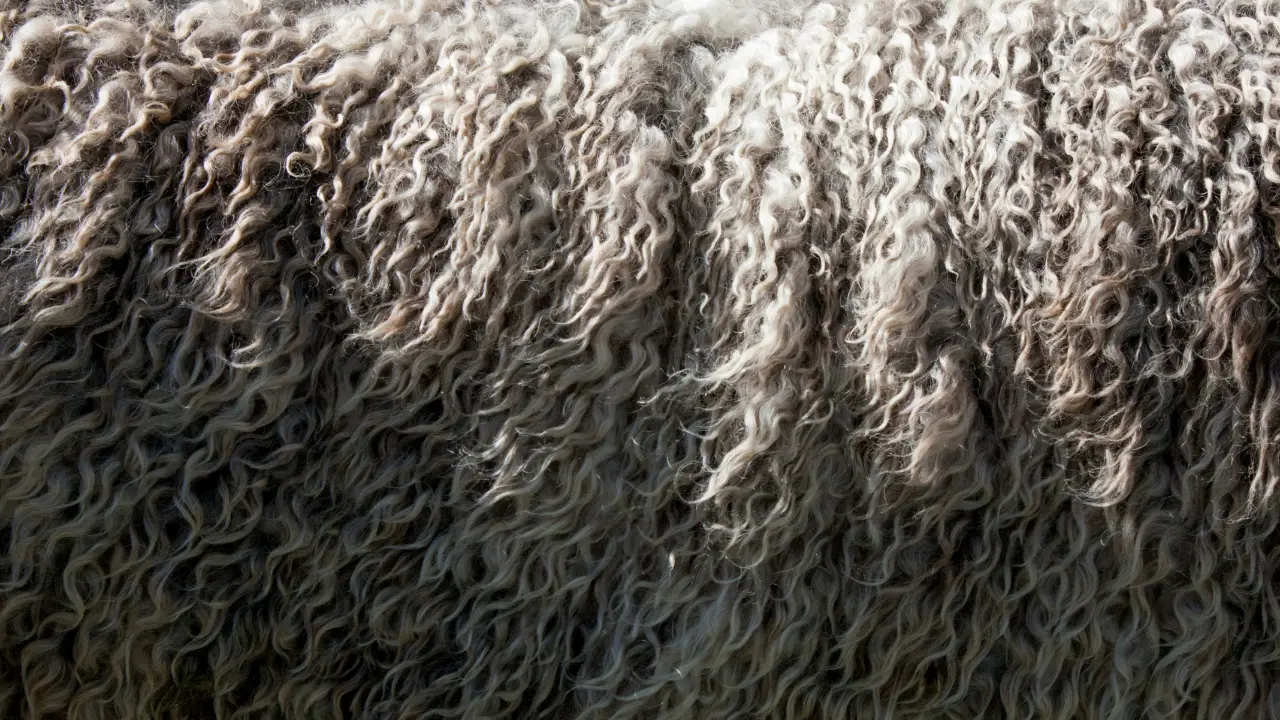
The etymology is just as disputed, and you should be wary of anyone who states one origin as fact. The most popular story is a dockside one: casual labourers brought in from the surrounding towns to work the ships, often during strikes, who hauled bales of raw wool on their backs and went home with the fibres stuck to their clothes. In that telling the word carries real contempt, because those outsiders were the ones who kept working when Liverpool men downed tools.
Other accounts trace it to coal-men from the outlying pits who wore sheepskin to pad their backs, or simply to the rural, farming character of the surrounding countryside and the sheepskin coats that went with it. One theory reaches all the way back to medieval Chester, and people sneaking a sheep through the livestock gate to dodge the market toll.
The version the wools tell
Of course, the people on the receiving end tell it differently, and fairly. In their version the Liverpool dockers were the work-shy ones, and it was the grafters from St Helens and Wigan and Skelmersdale who actually shifted the heavy cargo, which is precisely why they were the ones with wool on their backs at the end of the day. Same wool, same backs, opposite moral. Each side has simply kept the version that flatters itself.
What it’s actually about
Strip away the banter and “wool” is really a tool for policing a border. Scouse is an unusually sharp-edged identity, fiercely held and narrowly defined, and the word is how that edge gets enforced: a way of deciding, street by street, who’s in and who’s only nearby. It loops straight back to what makes a Scouser in the first place, the accent, the descent, the city itself.
Which is why, for all the edge in it, the kindest way to read “wool” is as a backhanded compliment to Liverpool’s own sense of itself. You only guard a border this hard when you reckon what’s inside it is worth protecting. And both sides, it should be said, give as good as they get.
FAQ
Is being called a wool an insult?
It’s usually just a bit of banter rather than a genuine insult. It can sting depending on who says it and how, but plenty of people from the surrounding towns wear it like a badge of honour and call themselves wools without a second thought.
What’s the difference between a wool and a Scouser?
A Scouser is from the city of Liverpool itself. A wool is from the towns around it, near Liverpool and shaped by it, but outside the city. Where exactly the line falls is endlessly argued.
Is the Wirral wool?
To most Scousers, yes. The Wirral sits across the water and outside the city, so it’s firmly wool country, however much the odd West Kirby or Heswall resident might protest.


This article is mentioned elsewhere